Educational Disclaimer: This website provides educational content only. We are not a crowdfunding platform and do not handle any funds or investments.

Real-World Examples

Canadian Crowdfunding Case Studies

Examining real crowdfunding campaigns from across Canada provides practical insight into what drives success, what challenges creators face, and how different funding models perform in practice. These case studies are presented for educational purposes only.

Learning From Canadian Campaigns 📖

Every crowdfunding campaign tells a story about community engagement, planning, execution, and the realities of raising capital from the public. Canada has produced a diverse range of campaigns across all three major crowdfunding models, from small-town donation drives that brought neighbourhoods together, to technology startups that raised hundreds of thousands of dollars through reward-based pre-orders, to early-stage companies that tested the equity crowdfunding exemptions introduced by provincial securities regulators.

By studying these campaigns, we can identify patterns that contribute to successful outcomes and understand the pitfalls that lead to challenges. Factors such as pre-launch audience building, transparent communication, realistic goal setting, and regulatory compliance emerge repeatedly as differentiators between campaigns that meet their goals and those that fall short.

The case studies below are selected to represent geographic diversity across Canadian provinces, a range of campaign sizes, and all three primary crowdfunding models. Each study includes an analysis of the campaign strategy, key metrics, and educational takeaways. Company names and specific figures reflect publicly available campaign information.

Case Study Overview

  • 3 Donation-Based Campaigns
  • 3 Reward-Based Campaigns
  • 2 Equity-Based Campaigns

All case studies are presented for educational purposes. Past campaign performance does not predict future outcomes.

Reward-Based Campaigns 🎁

Backers receive products, experiences, or creative works in return for their contributions

Portable water purification device prototype displayed on laboratory workbench with engineering blueprints in Toronto Reward-Based Successful

PureStream Portable Water Purifier

Toronto, ON Spring 2024 35-day campaign

A team of four environmental engineers from the University of Toronto launched a reward-based campaign for a portable water purification device designed for camping, emergency preparedness, and international travel. The device used a multi-stage filtration system combined with UV sterilization, targeting outdoor enthusiasts and humanitarian organizations. The team spent four months building an email list of 6,200 subscribers before launching, conducting demonstrations at outdoor trade shows across Ontario and posting educational content about water safety on social media channels.

Goal

$75,000

Raised

$342,000

Backers

4,218

Funded

456%

Key Takeaways

  • Pre-launch audience building was the single most important success factor, with 38% of total pledges coming within the first 48 hours from the email list
  • Working prototypes demonstrated at live events built credibility and generated word-of-mouth referrals
  • Transparent stretch goals kept momentum through the middle period of the campaign when engagement typically drops
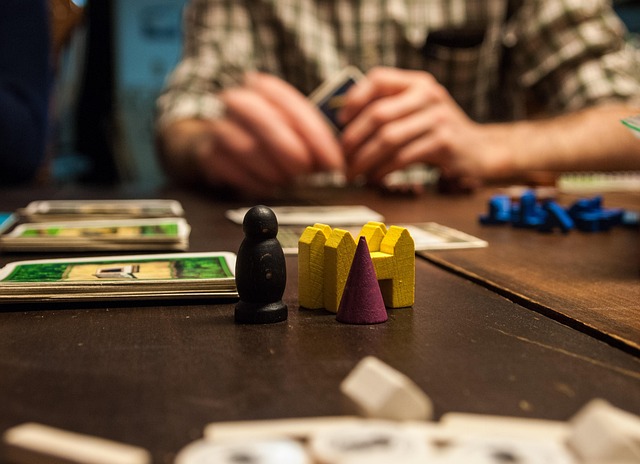
Tabletop board game with detailed Canadian wilderness artwork and miniature playing pieces on wooden table Reward-Based Successful

Northern Trails: A Canadian Wilderness Board Game

Ottawa, ON Fall 2023 30-day campaign

Two Ottawa-based game designers created a cooperative board game themed around navigating Canadian wilderness regions. The game incorporated educational elements about Canadian geography, wildlife, and Indigenous cultural knowledge, developed in consultation with Algonquin community advisors. The campaign was carefully positioned within the highly active tabletop gaming community, using targeted outreach to board game reviewers and content creators who specialize in Kickstarter previews. The creators posted regular update videos showing the game's development process, including prototype testing sessions with local gaming groups.

Goal

$28,000

Raised

$91,500

Backers

1,480

Funded

327%

Key Takeaways

  • Engaging niche community influencers (board game reviewers) generated more conversions than broad social media advertising
  • Culturally respectful collaboration with Indigenous advisors added authenticity and attracted positive media attention
  • Fulfillment was delayed by three months due to shipping cost underestimation, a common issue in physical product campaigns
Modern wireless headphones with wooden ear cups displayed on minimalist stand with Canadian design studio background Reward-Based Challenges

SoundCraft Artisan Wireless Headphones

Waterloo, ON Winter 2024 40-day campaign

A Waterloo-based audio engineering startup sought to fund production of wireless headphones featuring sustainably sourced Canadian wood ear cups and high-fidelity drivers. The campaign attracted significant attention due to the product's distinctive design and environmental positioning. However, the creators encountered serious challenges during fulfillment. Manufacturing costs exceeded initial estimates by 40%, partly due to supply chain disruptions and partly because the campaign pricing did not adequately account for customs duties and international shipping to backers outside Canada. The team ultimately delivered the product eight months behind schedule and absorbed a financial loss despite exceeding their funding goal.

Goal

$120,000

Raised

$187,000

Backers

920

Delivery Delay

8 months

Lessons from Challenges

  • Underestimating manufacturing costs is one of the most common causes of crowdfunding campaign distress, particularly for hardware products
  • International shipping and customs duties must be factored into campaign pricing from the start, not treated as an afterthought
  • Transparent communication about delays preserved backer goodwill; the team posted monthly updates explaining each obstacle

Donation-Based Campaigns 💚

Contributors give without expecting financial returns, motivated by altruism and community impact

Community garden with raised vegetable beds and families gardening together in Vancouver neighbourhood park Donation-Based Successful

Green Roots Community Garden & Food Bank

Vancouver, BC Summer 2023 45-day campaign

The Commercial Drive Neighbourhood Association in Vancouver organized a donation-based campaign to convert a vacant, city-owned lot into a community garden that would supply fresh produce to three local food banks. The campaign was deeply rooted in neighbourhood identity, with organizers going door-to-door in the surrounding blocks to explain the project and gather support. Local restaurants pledged to use garden produce and promoted the campaign on their menus. The city council offered a 10-year lease on the lot at nominal cost, contingent on the community raising enough funds to cover construction and first-year operating costs. Media coverage from two local television stations and the Vancouver Sun amplified the campaign's reach well beyond the immediate neighbourhood.

Goal

$45,000

Raised

$52,300

Donors

683

Avg. Donation

$76.57

Key Takeaways

  • Hyperlocal campaigns benefit enormously from face-to-face outreach; 42% of donors reported learning about the campaign through door-to-door canvassing
  • Partnering with established local businesses (restaurants, grocers) lent credibility and extended the campaign's audience
  • Securing the city lease before launching the campaign demonstrated institutional support and reduced perceived risk for donors
Animal sanctuary with rescued farm animals grazing in open prairie fields near Saskatoon Saskatchewan Donation-Based Successful

Prairie Hope Animal Sanctuary Emergency Barn Fund

Saskatoon, SK Winter 2024 21-day campaign

After a severe ice storm damaged the primary barn at a farm animal sanctuary outside Saskatoon, the operators launched an urgent donation-based campaign to fund emergency repairs before the harshest winter months. The campaign's emotional appeal was straightforward and genuine: the rescued animals needed shelter, and the repairs were estimated at $35,000. The sanctuary's existing social media following of 12,000 provided a built-in audience, and a video tour of the storm damage received substantial sharing across Facebook and Instagram. The campaign reached its goal in just nine days, with the remaining campaign period generating funds for additional winterization upgrades.

Goal

$35,000

Raised

$48,700

Donors

1,120

Funded In

9 days

Key Takeaways

  • Authentic urgency (real storm damage, approaching winter) motivated rapid donor response without resorting to artificial pressure tactics
  • Pre-existing social media communities provide a critical launch advantage for donation-based campaigns
  • Video content showing the real situation was shared 4x more than static image posts
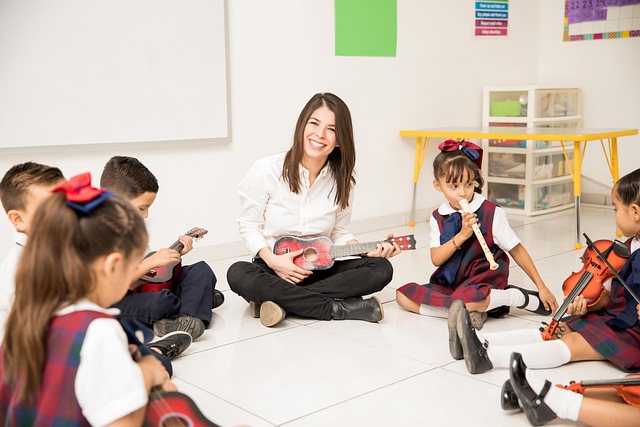
Children learning to play musical instruments in a bright community centre classroom in Halifax Nova Scotia Donation-Based Partial

Harmony Halifax: Free Music Lessons for Youth

Halifax, NS Spring 2025 30-day campaign

A nonprofit arts organization in Halifax launched a campaign to fund free music education programs for 200 youth in underserved communities. The campaign sought $65,000 to cover instrument purchases, instructor salaries for one year, and venue rental. Despite strong initial momentum, the campaign stalled at approximately 72% of its goal midway through the campaign period. The organizers adapted by reaching out to local corporate sponsors who matched individual donations during the final week. This hybrid approach, combining crowdfunding with traditional sponsorship solicitation, allowed them to reach 89% of their target. The program launched on a reduced scale, serving 160 students rather than the originally planned 200.

Goal

$65,000

Raised

$57,800

Donors

415

Funded

89%

Key Takeaways

  • Mid-campaign stalls are common; having a backup plan such as corporate matching can recover momentum
  • Flexible funding models (where you keep what you raise) allow campaigns that fall short to still deliver partial impact
  • Setting a realistic, well-justified goal is preferable to an aspirational one that may discourage late-stage donors

Equity-Based Campaigns 📈

Participants receive equity stakes in early-stage companies under provincial securities exemptions

Important Risk Disclosure

Equity crowdfunding involves purchasing securities in early-stage companies. These investments carry substantial risk, including the potential loss of the entire invested amount. Shares in private companies are typically illiquid. The case studies below are presented for educational purposes only and should not be interpreted as endorsements or recommendations. Past campaign results do not predict future outcomes.

Fintech startup team collaborating around monitors showing financial software interface in modern Montreal office Equity-Based Fully Funded

NovaPay Small Business Financial Tools

Montreal, QC Fall 2024 NI 45-110 Compliant

NovaPay, a Montreal-based fintech company developing invoicing and cash flow management tools for small businesses, conducted an equity crowdfunding raise under the NI 45-110 start-up crowdfunding exemption. The company had already generated $180,000 in annual recurring revenue from 600 paying customers, providing tangible traction metrics to present to prospective participants. The offering document included detailed financial statements, a two-year business plan, management biographies, and a comprehensive risk factors section. The campaign was hosted on a registered exempt market dealer platform and limited individual participation amounts in accordance with provincial regulations. The company held monthly webinars during the raise period where management answered questions from prospective participants.

Goal

$500,000

Raised

$500,000

Participants

124

Avg. Investment

$4,032

Key Takeaways

  • Existing revenue and customer traction significantly increase credibility in equity campaigns compared to pre-revenue concepts
  • Monthly Q&A webinars built trust and addressed concerns that might otherwise have discouraged participation
  • Full compliance with NI 45-110 requirements, including using a registered exempt market dealer, was essential for legal operation
  • The company continues to provide quarterly updates to equity holders, maintaining the transparency that characterized the original campaign
Solar panel installation on commercial rooftop with Calgary Alberta skyline and Rocky Mountains in background Equity-Based Partial

GreenGrid Community Solar Cooperative

Calgary, AB Spring 2025 ASC Exemption

GreenGrid attempted to raise $750,000 through equity crowdfunding to fund the installation of solar panel systems on commercial rooftops in Calgary, structured as a cooperative where participants would hold shares proportional to their contributions. The offering was structured under Alberta Securities Commission provisions, and the platform operator held proper exempt market dealer registration. Despite strong initial interest driven by environmental appeal and the cooperative structure, the campaign faced headwinds. Calgary's energy sector downturn at the time reduced local appetite for energy-related ventures, and the complexity of the cooperative legal structure proved difficult to communicate clearly in campaign materials. The campaign closed at 62% of its target, raising $465,000, which was sufficient to proceed with a scaled-down initial installation.

Goal

$750,000

Raised

$465,000

Participants

88

Funded

62%

Key Takeaways

  • External economic conditions (regional energy sector performance) can significantly impact equity campaign success, regardless of project quality
  • Complex legal structures such as cooperatives require especially clear, plain-language communication in campaign materials
  • Using flexible funding structures (rather than all-or-nothing) allowed the project to proceed at reduced scale rather than returning all funds
Analysis

Common Patterns Across Canadian Campaigns 🔬

Analyzing these eight case studies reveals recurring themes that apply across all crowdfunding models. These patterns offer educational insight for anyone studying the Canadian crowdfunding landscape.

Pre-Launch Audience Building

Every successful campaign in this study invested significant time building an audience before launch. Whether through email lists (PureStream), social media communities (Prairie Hope), or neighbourhood outreach (Green Roots), having an engaged audience on day one created critical early momentum. Research across the broader crowdfunding industry consistently shows that campaigns reaching 30% of their goal within the first three days have a dramatically higher completion rate.

Transparency Builds Trust

Campaigns that communicated openly about challenges, whether the SoundCraft team's manufacturing delays or GreenGrid's market headwinds, maintained better relationships with their backers and participants. NovaPay's monthly webinars and quarterly updates exemplify how ongoing transparency extends beyond the campaign period. In contrast, campaigns that go silent during difficulties tend to generate backlash that can affect the creator's reputation and future ventures.

Realistic Financial Planning

The SoundCraft case illustrates the consequences of inadequate cost estimation. Physical product campaigns are particularly vulnerable to this issue because manufacturing, shipping, customs duties, and platform fees can collectively consume 50-70% of funds raised. Successful campaigns build in substantial buffers. The Harmony Halifax case also shows that overly ambitious fundraising targets can discourage donors when progress appears slow, while more conservative targets create positive momentum.

Storytelling Through Media

Video content played a pivotal role in nearly every campaign studied. Prairie Hope's storm damage video was shared at four times the rate of static images. Northern Trails' development diary videos built a narrative that kept backers emotionally invested throughout the campaign. The most effective campaign videos were authentic and informational rather than polished and promotional, suggesting that backers value genuine connection over production quality.

Regulatory Compliance Matters

The equity-based campaigns demonstrate that compliance with provincial securities regulations is not merely a legal requirement but a trust signal. NovaPay's use of a registered exempt market dealer platform and comprehensive offering documents reassured participants that proper oversight existed. Campaigns that operate outside regulatory frameworks risk enforcement action and undermine participant trust in the broader crowdfunding ecosystem.

Community & Partnerships

Local partnerships amplified campaign reach in multiple studies. Green Roots partnered with restaurants and secured city support. Northern Trails collaborated with Indigenous community advisors. Harmony Halifax pivoted to corporate matching donations mid-campaign. These partnerships provide credibility, extend audience reach, and can offer practical support such as matching funds or in-kind contributions that strengthen the overall campaign proposition.

Campaign Summary Table 📊

A consolidated view of all eight case studies for quick reference and comparison.

Campaign Model Location Goal Raised Outcome
PureStream Purifier Reward Toronto, ON $75,000 $342,000 456%
Northern Trails Reward Ottawa, ON $28,000 $91,500 327%
SoundCraft Headphones Reward Waterloo, ON $120,000 $187,000 Delayed
Green Roots Garden Donation Vancouver, BC $45,000 $52,300 116%
Prairie Hope Sanctuary Donation Saskatoon, SK $35,000 $48,700 139%
Harmony Halifax Donation Halifax, NS $65,000 $57,800 89%
NovaPay Financial Equity Montreal, QC $500,000 $500,000 100%
GreenGrid Solar Equity Calgary, AB $750,000 $465,000 62%

Deepen Your Understanding of Crowdfunding

These case studies offer a starting point. Our structured courses and live webinars provide deeper analysis, interactive exercises, and expert perspectives on Canadian crowdfunding strategy and compliance.

Educational Content Disclaimer

All case studies on this page are presented for educational and informational purposes only. CrowdfundCanada Educational Resource Hub is not a crowdfunding platform and does not handle funds, facilitate investments, or provide financial advice. The campaigns described reflect publicly available information and are analyzed for educational value. Past campaign performance does not predict or guarantee future results. Equity crowdfunding involves significant risk, including the potential total loss of invested capital. Always consult qualified financial and legal professionals before making any financial decisions.